Tag: Hair Growth

  • The Ultimate Hair Care Guide: 15 Expert Tips for Healthy, Strong & Shiny Hair (2026)

    The Ultimate Hair Care Guide: 15 Expert Tips for Healthy, Strong & Shiny Hair (2026)

    Beautiful, healthy hair is more than just a fashion statement—it reflects your overall health and self-care routine. Whether your hair is curly, straight, thick, fine, or color-treated, maintaining its health requires consistency, proper nutrition, and the right hair care products.

    Many people struggle with hair fall, dryness, split ends, dandruff, and slow hair growth. The good news is that most of these problems can be managed with the right hair care habits.

    In this complete guide, you’ll learn everything you need to know about keeping your hair healthy, shiny, and strong naturally.


    Why Hair Care Is Important

    Your hair is exposed to pollution, sunlight, heat styling, chemicals, and harsh weather every day. Without proper care, it can become dry, weak, and prone to breakage.

    A good hair care routine helps:

    • Reduce hair fall
    • Promote healthy growth
    • Prevent split ends
    • Keep the scalp healthy
    • Improve shine
    • Reduce frizz
    • Strengthen hair follicles

    Healthy hair starts with a healthy scalp.


    Know Your Hair Type

    Before buying hair products, identify your hair type.

    Straight Hair

    Usually shiny but can become oily quickly.

    Wavy Hair

    Needs lightweight moisture to avoid frizz.

    Curly Hair

    Requires deep hydration and gentle handling.

    Coily Hair

    Needs intense moisture and protective styling.

    Using products designed for your specific hair type provides better results than following generic advice.


    Wash Your Hair the Right Way

    Many people either wash their hair too often or not enough.

    General recommendations:

    • Oily hair: Every 1–2 days
    • Normal hair: Every 2–3 days
    • Dry or curly hair: Every 3–5 days

    Use lukewarm water instead of hot water because excessive heat strips away natural oils.

    Always massage shampoo into the scalp rather than the ends of your hair.


    Choose the Right Shampoo

    Not every shampoo works for everyone.

    Look for products that match your needs:

    • Moisturizing shampoo for dry hair
    • Clarifying shampoo for oily scalp
    • Sulfate-free shampoo for color-treated hair
    • Anti-dandruff shampoo if you experience flakes
    • Volumizing shampoo for fine hair

    Avoid products containing harsh ingredients if your scalp is sensitive.


    Never Skip Conditioner

    Conditioner restores moisture and protects hair from damage.

    Benefits include:

    • Easier detangling
    • Less frizz
    • Softer texture
    • Reduced breakage
    • More shine

    Apply conditioner mainly to the mid-lengths and ends, avoiding the scalp unless the product specifically recommends otherwise.


    Deep Conditioning Matters

    A deep conditioning treatment once a week can transform dry and damaged hair.

    Deep conditioning helps:

    • Restore moisture
    • Repair damaged strands
    • Improve elasticity
    • Reduce split ends
    • Enhance shine

    People who color or bleach their hair should deep condition regularly.


    Limit Heat Styling

    Frequent use of flat irons, curling irons, and blow dryers weakens hair over time.

    To reduce heat damage:

    • Use a heat protectant spray.
    • Keep tools on lower temperature settings.
    • Air-dry your hair whenever possible.
    • Limit heat styling to a few times a week.

    Healthy hair is easier to style naturally.


    Eat for Healthy Hair

    Hair health starts from within.

    Include these nutrients in your diet:

    Protein

    Hair is made primarily of protein.

    Good sources:

    • Eggs
    • Chicken
    • Fish
    • Greek yogurt
    • Beans

    Iron

    Iron deficiency can contribute to hair loss.

    Foods include:

    • Spinach
    • Lentils
    • Red meat
    • Pumpkin seeds

    Omega-3 Fatty Acids

    Support scalp health.

    Sources:

    • Salmon
    • Walnuts
    • Chia seeds
    • Flaxseeds

    Vitamins

    Vitamin A, C, D, E, Biotin, and Zinc all play important roles in maintaining healthy hair.


    Massage Your Scalp

    Scalp massages improve blood circulation and may support healthier hair growth.

    Use your fingertips and gently massage your scalp for five minutes several times a week.

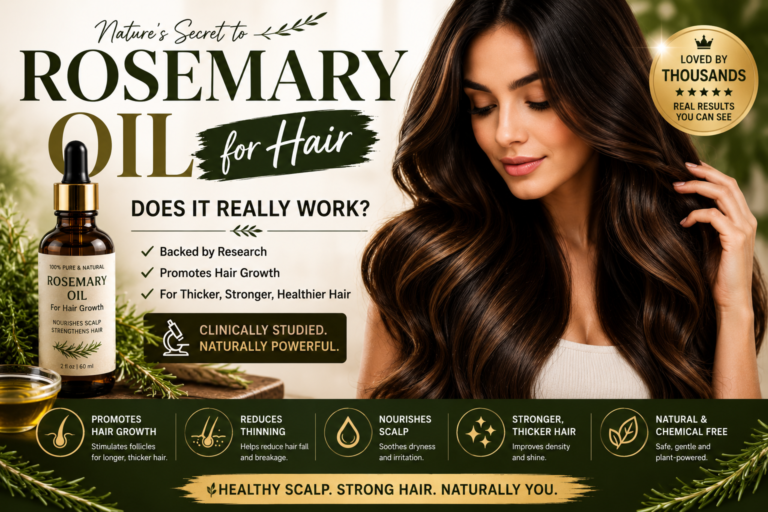
    Some people also use lightweight oils like coconut or rosemary-infused oil as part of their massage routine.


    Avoid Tight Hairstyles

    Constant tension from tight ponytails, buns, or braids can lead to hair breakage and traction-related hair loss.

    Instead:

    • Wear loose hairstyles.
    • Use soft fabric hair ties.
    • Change hairstyles regularly.
    • Avoid sleeping with tight ponytails.

    Trim Your Hair Regularly

    Regular trims don’t make hair grow faster, but they do remove split ends and help hair look healthier.

    Most people benefit from trimming every 8–12 weeks.


    Protect Hair While Sleeping

    Nighttime habits affect hair health.

    Try these tips:

    • Sleep on a silk or satin pillowcase.
    • Use a loose braid for long hair.
    • Avoid sleeping with wet hair.
    • Use a silk bonnet if you have curly or textured hair.

    Stay Hydrated

    Water supports overall health, including your scalp and hair.

    Aim to drink enough water throughout the day to help maintain moisture balance.


    Reduce Stress

    Stress is linked to increased hair shedding in many people.

    Helpful stress-management techniques include:

    • Regular exercise
    • Meditation
    • Yoga
    • Adequate sleep
    • Spending time outdoors

    Taking care of your mental well-being can also benefit your hair.


    Natural Hair Care Remedies

    Many people enjoy incorporating natural ingredients into their hair care routine.

    Popular options include:

    Coconut Oil

    Helps reduce protein loss and moisturize hair.

    Aloe Vera

    Can soothe the scalp and add hydration.

    Honey

    Acts as a natural humectant that helps retain moisture.

    Avocado Mask

    Provides healthy fats and nutrients for dry hair.

    Use natural treatments in moderation and discontinue use if irritation occurs.


    Common Hair Care Mistakes

    Avoid these habits:

    • Washing hair with very hot water
    • Brushing wet hair aggressively
    • Skipping conditioner
    • Using too much heat
    • Overwashing
    • Ignoring scalp health
    • Using too many styling products
    • Delaying trims for long periods

    Small changes can make a noticeable difference over time.


    Best Daily Hair Care Routine

    Morning:

    • Gently detangle hair.
    • Apply a lightweight leave-in conditioner if needed.
    • Protect hair from heat before styling.

    Evening:

    • Brush gently to remove tangles.
    • Massage your scalp for a few minutes.
    • Tie long hair loosely before sleeping.

    Weekly:

    • Deep conditioning treatment
    • Clarifying wash if needed
    • Hair mask
    • Scalp massage

    Consistency is the key to achieving healthier hair.


    Final Thoughts

    Healthy, beautiful hair doesn’t happen overnight. It develops through consistent care, balanced nutrition, and using products that suit your hair type. Whether you’re dealing with dryness, frizz, hair fall, or simply want shinier locks, building a simple and sustainable routine can make a significant difference over time.

    Remember that everyone’s hair is unique, so be patient while discovering what works best for you. Focus on maintaining a healthy scalp, protecting your hair from damage, eating a nutrient-rich diet, and minimizing unnecessary stress on your strands. With regular care and healthy habits, you can enjoy stronger, smoother, and more vibrant hair for years to come.