Tag: Hair Care

  • The Ultimate Hair Care Guide 2026: Best Hair Care Tips for Healthy, Strong & Shiny Hair Naturally

    The Ultimate Hair Care Guide 2026: Best Hair Care Tips for Healthy, Strong & Shiny Hair Naturally

    eautiful, healthy hair is more than just a beauty goal—it reflects your overall health and self-care routine. Whether your hair is straight, wavy, curly, coily, thick, or fine, proper hair care is essential for maintaining strength, shine, and long-term health. Environmental pollution, heat styling, chemical treatments, poor nutrition, and stress can all contribute to dry, damaged, and thinning hair.

    The good news is that with the right hair care routine, anyone can improve the appearance and health of their hair. This complete guide covers everything you need to know about caring for your hair naturally and effectively.


    Why Hair Care Matters

    Hair is exposed to daily damage from sunlight, pollution, weather, styling tools, and chemical products. Without proper care, these factors weaken the hair shaft and lead to breakage, split ends, frizz, and hair loss.

    A healthy hair routine helps:

    • Prevent hair breakage
    • Reduce hair fall
    • Maintain scalp health
    • Increase shine
    • Promote healthy growth
    • Control frizz
    • Protect color-treated hair
    • Improve overall appearance

    Healthy hair starts with a healthy scalp, making scalp care just as important as hair care.


    Know Your Hair Type

    Understanding your hair type allows you to choose products that actually work.

    Straight Hair

    Straight hair becomes oily faster because natural oils travel easily from roots to ends.

    Best care:

    • Lightweight shampoo
    • Volumizing conditioner
    • Dry shampoo between washes

    Wavy Hair

    Wavy hair needs hydration without becoming heavy.

    Best care:

    • Sulfate-free shampoo
    • Leave-in conditioner
    • Curl cream

    Curly Hair

    Curly hair is naturally drier because oils don’t spread evenly.

    Best care:

    • Moisturizing shampoo
    • Deep conditioning
    • Hair oils
    • Satin pillowcases

    Coily Hair

    Coily hair requires the most moisture.

    Best care:

    • Rich conditioners
    • Butter-based creams
    • Protective hairstyles
    • Weekly deep treatments

    Build the Perfect Hair Care Routine

    Step 1: Wash Properly

    Avoid washing hair every day unless necessary.

    Recommended schedule:

    • Oily Hair: 3–4 times weekly
    • Normal Hair: 2–3 times weekly
    • Dry Hair: 1–2 times weekly

    Always massage the scalp gently instead of scratching it.


    Step 2: Use Conditioner

    Conditioner restores moisture after shampooing.

    Focus on:

    • Mid-lengths
    • Hair ends

    Avoid applying conditioner directly to the scalp.


    Step 3: Weekly Hair Mask

    Hair masks repair damage and deeply nourish strands.

    Natural ingredients include:

    • Coconut oil
    • Honey
    • Aloe vera
    • Avocado
    • Yogurt

    Leave masks on for 20–30 minutes.


    Step 4: Apply Hair Serum

    Hair serum protects against:

    • Heat
    • Frizz
    • Humidity
    • Split ends

    Use only a small amount on damp hair.


    Best Natural Oils for Hair

    Coconut Oil

    Benefits:

    • Reduces protein loss
    • Strengthens hair
    • Adds shine

    Argan Oil

    Known as “liquid gold,” argan oil:

    • Controls frizz
    • Repairs damage
    • Adds softness

    Castor Oil

    Popular for:

    • Supporting thicker-looking hair
    • Moisturizing the scalp

    Rosemary Oil

    Rosemary oil has become popular for promoting healthier hair growth when diluted with a carrier oil.


    Foods for Healthy Hair

    Hair health starts from within.

    Eat foods rich in:

    Protein

    • Eggs
    • Chicken
    • Fish
    • Beans

    Iron

    • Spinach
    • Lentils
    • Red meat

    Omega-3 Fatty Acids

    • Salmon
    • Walnuts
    • Chia seeds

    Vitamin C

    • Oranges
    • Strawberries
    • Kiwi

    Biotin

    • Eggs
    • Almonds
    • Sweet potatoes

    Staying hydrated is equally important for preventing dry, brittle hair.


    Common Hair Problems and Solutions

    Hair Fall

    Causes include:

    • Stress
    • Poor diet
    • Hormonal changes
    • Genetics

    Solutions:

    • Balanced nutrition
    • Gentle shampoos
    • Regular scalp massage
    • Avoid tight hairstyles

    Dry Hair

    Use:

    • Hydrating shampoo
    • Deep conditioner
    • Hair oils

    Avoid excessive heat styling.


    Oily Hair

    Wash regularly with lightweight products.

    Avoid:

    • Heavy conditioners
    • Excessive touching
    • Oil-heavy styling products

    Split Ends

    Unfortunately, split ends cannot be permanently repaired.

    Trim every 8–12 weeks.

    Prevent them by:

    • Using heat protectant
    • Limiting hot tools
    • Avoiding rough towel drying

    Heat Styling Tips

    Heat tools are one of the biggest causes of hair damage.

    Always:

    • Apply heat protectant
    • Use the lowest effective temperature
    • Limit heat styling to a few times per week

    Air drying whenever possible helps preserve hair strength.


    Hair Care During Different Seasons

    Summer

    Protect hair from:

    • UV rays
    • Chlorine
    • Salt water

    Wear hats and use UV-protective products.


    Winter

    Cold weather dries both hair and scalp.

    Use:

    • Rich conditioners
    • Hair oils
    • Humidifiers indoors

    Scalp Care Tips

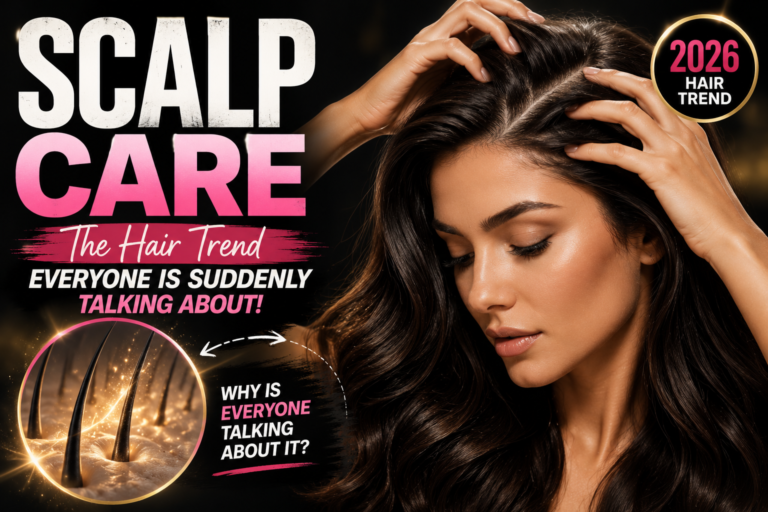
    Healthy hair begins with a healthy scalp.

    Keep your scalp healthy by:

    • Washing regularly
    • Avoiding product buildup
    • Massaging weekly
    • Using gentle exfoliating treatments occasionally

    A healthy scalp promotes stronger, healthier-looking hair.


    Best Hair Care Ingredients

    Look for products containing:

    • Keratin
    • Argan Oil
    • Coconut Oil
    • Shea Butter
    • Aloe Vera
    • Panthenol
    • Hyaluronic Acid
    • Biotin
    • Niacinamide

    These ingredients help strengthen, hydrate, and protect hair.


    Ingredients to Avoid

    Some ingredients may be too harsh for certain hair types.

    Limit products with:

    • High amounts of alcohol
    • Excess sulfates (if they dry your hair)
    • Harsh fragrances (if you’re sensitive)
    • Excessive silicone buildup without proper cleansing

    Choose products suited to your hair type rather than following trends.


    Healthy Hair Habits

    Simple daily habits make a big difference.

    • Brush gently
    • Sleep on a satin pillowcase
    • Avoid tight ponytails
    • Drink plenty of water
    • Eat balanced meals
    • Manage stress
    • Get regular trims
    • Protect hair from sun exposure

    Consistency is the key to long-term results.


    Hair Care Myths

    Myth 1: Cutting Hair Makes It Grow Faster

    Hair grows from the scalp, not the ends. Trimming prevents split ends, making hair look healthier but not grow faster.

    Myth 2: Washing Hair Every Day Is Necessary

    Most people don’t need daily washing. Overwashing can strip natural oils.

    Myth 3: Oiling Overnight Works for Everyone

    Leaving oil on overnight isn’t necessary for everyone. A shorter treatment can be just as effective depending on your hair type.


    Choosing the Right Hair Products

    When shopping for hair care products, focus on your specific needs rather than marketing claims.

    For dry hair, choose moisturizing formulas. For oily hair, use lightweight products that cleanse effectively without over-drying. Color-treated hair benefits from products designed to protect color and reduce fading.

    Reading ingredient labels and understanding your hair goals will help you make smarter choices.


    Final Thoughts

    Healthy, beautiful hair doesn’t happen overnight—it comes from consistent care, quality products, and healthy lifestyle habits. By understanding your hair type, following a balanced routine, nourishing your body with the right nutrients, and protecting your hair from everyday damage, you can enjoy stronger, shinier, and healthier hair year-round.

    Whether you’re aiming to reduce hair fall, repair damage, or simply maintain vibrant locks, small daily improvements can lead to lasting results. Start with a simple routine, stay consistent, and let your hair thrive naturally. This comprehensive hair care guide is designed to help readers in the USA achieve salon-quality results at home while building healthy hair habits that last a lifetime.

  • The Ultimate Hair Care Guide 2026: Best Tips for Healthy, Strong & Shiny Hair Naturally

    The Ultimate Hair Care Guide 2026: Best Tips for Healthy, Strong & Shiny Hair Naturally

    Healthy, shiny, and strong hair is more than just a beauty trend—it’s a sign of good overall hair and scalp health. Whether your hair is straight, wavy, curly, or coily, maintaining a proper hair care routine can make a significant difference in its appearance and strength. Many people struggle with dryness, hair fall, split ends, dandruff, and frizz because they don’t follow the right hair care practices or use products that aren’t suitable for their hair type.

    The good news is that achieving beautiful hair doesn’t require expensive salon treatments. With the right daily habits, high-quality hair care products, and a balanced lifestyle, you can enjoy healthier hair naturally. This comprehensive guide covers everything you need to know about caring for your hair, from understanding your hair type to creating an effective routine that works.


    Why Hair Care Matters

    Your hair is exposed to pollution, sunlight, heat styling, chemicals, and changing weather conditions every day. These factors can weaken the hair shaft, strip away natural oils, and cause dryness or breakage over time.

    A consistent hair care routine helps:

    • Keep your scalp healthy
    • Reduce hair fall and breakage
    • Promote stronger hair growth
    • Prevent split ends
    • Improve shine and softness
    • Protect hair from environmental damage
    • Maintain natural moisture

    Healthy hair begins with a healthy scalp. When your scalp is clean, balanced, and well-nourished, your hair has a better environment to grow stronger and thicker.


    Know Your Hair Type

    Understanding your hair type is the first step toward choosing the right products and routine.

    Straight Hair

    Straight hair reflects light easily, making it appear shinier than other hair types. However, it tends to become oily faster because natural oils travel easily from the scalp to the ends.

    Care Tips

    • Wash regularly with a gentle shampoo.
    • Use lightweight conditioner.
    • Avoid heavy oils and thick creams.
    • Apply heat protectant before styling.

    Wavy Hair

    Wavy hair has a natural texture but can become frizzy in humid weather.

    Care Tips

    • Use moisturizing shampoo.
    • Apply conditioner mainly on mid-lengths and ends.
    • Avoid brushing dry hair.
    • Use leave-in conditioner for better definition.

    Curly Hair

    Curly hair is naturally drier because scalp oils have difficulty reaching the ends.

    Care Tips

    • Deep condition weekly.
    • Use sulfate-free shampoo.
    • Avoid excessive heat styling.
    • Detangle with a wide-tooth comb while hair is damp.

    Coily Hair

    Coily hair is delicate and requires plenty of moisture.

    Care Tips

    • Moisturize frequently.
    • Sleep on a silk pillowcase.
    • Use nourishing oils like argan or jojoba.
    • Avoid harsh chemical treatments.

    Build the Perfect Hair Care Routine

    Creating a consistent routine is one of the best ways to improve your hair’s health over time.

    Step 1: Choose the Right Shampoo

    Shampoo removes dirt, oil, sweat, and product buildup from your scalp. However, washing too often or using harsh formulas can strip away natural oils.

    Shampoo Tips

    • Oily Hair: Wash every 1–2 days.
    • Normal Hair: Wash 2–3 times weekly.
    • Dry Hair: Wash 1–2 times weekly.
    • Curly Hair: Wash once or twice weekly.

    Always massage your scalp gently instead of scratching with your nails. This improves blood circulation without irritating the skin.


    Step 2: Never Skip Conditioner

    Conditioner restores moisture, smooths the hair cuticle, and reduces tangles.

    For best results:

    • Apply from the middle to the ends.
    • Leave on for 2–5 minutes.
    • Rinse with cool or lukewarm water.
    • Avoid applying conditioner directly to the scalp unless the product specifically recommends it.

    Step 3: Deep Conditioning

    Deep conditioning treatments provide intense hydration and repair damaged strands.

    Benefits include:

    • Softer hair
    • Less breakage
    • Better elasticity
    • Reduced frizz
    • Improved shine

    Use a deep conditioning mask once every week, especially if your hair is color-treated or frequently exposed to heat.


    Natural Oils That Support Healthy Hair

    Natural oils have been used for centuries to nourish the scalp and strengthen hair.

    Coconut Oil

    Coconut oil penetrates the hair shaft better than many other oils. It helps reduce protein loss and keeps hair soft.

    Best for:

    • Dry hair
    • Damaged hair
    • Thick hair

    Argan Oil

    Often called “liquid gold,” argan oil is rich in Vitamin E and antioxidants.

    Benefits include:

    • Controls frizz
    • Adds shine
    • Protects from heat
    • Softens dry ends

    Jojoba Oil

    Jojoba oil closely resembles the scalp’s natural sebum, making it suitable for most hair types.

    Benefits:

    • Balances scalp oil
    • Reduces dryness
    • Moisturizes naturally
    • Supports scalp health

    Rosemary Oil

    Rosemary essential oil has become popular for supporting healthier-looking hair and may help improve scalp circulation when diluted with a carrier oil.

    Always dilute essential oils before applying them to your scalp.


    Feed Your Hair from Within

    Beautiful hair doesn’t come only from products. Nutrition plays a major role in hair health.

    Include these foods in your diet:

    • Eggs for protein and biotin
    • Salmon for omega-3 fatty acids
    • Spinach for iron
    • Sweet potatoes for Vitamin A
    • Berries for antioxidants
    • Nuts and seeds for Vitamin E
    • Greek yogurt for protein
    • Beans for zinc

    Drink plenty of water every day to help maintain your body’s hydration, which also supports healthy-looking hair and scalp.


    Avoid These Common Hair Care Mistakes

    Many people unknowingly damage their hair through everyday habits.

    Avoid:

    • Washing hair with very hot water
    • Using excessive heat styling tools
    • Skipping conditioner
    • Brushing wet hair aggressively
    • Overwashing your hair
    • Using products not suited to your hair type
    • Tight hairstyles that pull on the roots
    • Ignoring regular trims for split ends

    Making small changes to your routine can help keep your hair healthier over time.

    (Part 1 of 2 – Approximately 750 words)

  • The Ultimate Hair Care Guide: 15 Expert Tips for Healthy, Strong & Shiny Hair (2026)

    The Ultimate Hair Care Guide: 15 Expert Tips for Healthy, Strong & Shiny Hair (2026)

    Beautiful, healthy hair is more than just a fashion statement—it reflects your overall health and self-care routine. Whether your hair is curly, straight, thick, fine, or color-treated, maintaining its health requires consistency, proper nutrition, and the right hair care products.

    Many people struggle with hair fall, dryness, split ends, dandruff, and slow hair growth. The good news is that most of these problems can be managed with the right hair care habits.

    In this complete guide, you’ll learn everything you need to know about keeping your hair healthy, shiny, and strong naturally.


    Why Hair Care Is Important

    Your hair is exposed to pollution, sunlight, heat styling, chemicals, and harsh weather every day. Without proper care, it can become dry, weak, and prone to breakage.

    A good hair care routine helps:

    • Reduce hair fall
    • Promote healthy growth
    • Prevent split ends
    • Keep the scalp healthy
    • Improve shine
    • Reduce frizz
    • Strengthen hair follicles

    Healthy hair starts with a healthy scalp.


    Know Your Hair Type

    Before buying hair products, identify your hair type.

    Straight Hair

    Usually shiny but can become oily quickly.

    Wavy Hair

    Needs lightweight moisture to avoid frizz.

    Curly Hair

    Requires deep hydration and gentle handling.

    Coily Hair

    Needs intense moisture and protective styling.

    Using products designed for your specific hair type provides better results than following generic advice.


    Wash Your Hair the Right Way

    Many people either wash their hair too often or not enough.

    General recommendations:

    • Oily hair: Every 1–2 days
    • Normal hair: Every 2–3 days
    • Dry or curly hair: Every 3–5 days

    Use lukewarm water instead of hot water because excessive heat strips away natural oils.

    Always massage shampoo into the scalp rather than the ends of your hair.


    Choose the Right Shampoo

    Not every shampoo works for everyone.

    Look for products that match your needs:

    • Moisturizing shampoo for dry hair
    • Clarifying shampoo for oily scalp
    • Sulfate-free shampoo for color-treated hair
    • Anti-dandruff shampoo if you experience flakes
    • Volumizing shampoo for fine hair

    Avoid products containing harsh ingredients if your scalp is sensitive.


    Never Skip Conditioner

    Conditioner restores moisture and protects hair from damage.

    Benefits include:

    • Easier detangling
    • Less frizz
    • Softer texture
    • Reduced breakage
    • More shine

    Apply conditioner mainly to the mid-lengths and ends, avoiding the scalp unless the product specifically recommends otherwise.


    Deep Conditioning Matters

    A deep conditioning treatment once a week can transform dry and damaged hair.

    Deep conditioning helps:

    • Restore moisture
    • Repair damaged strands
    • Improve elasticity
    • Reduce split ends
    • Enhance shine

    People who color or bleach their hair should deep condition regularly.


    Limit Heat Styling

    Frequent use of flat irons, curling irons, and blow dryers weakens hair over time.

    To reduce heat damage:

    • Use a heat protectant spray.
    • Keep tools on lower temperature settings.
    • Air-dry your hair whenever possible.
    • Limit heat styling to a few times a week.

    Healthy hair is easier to style naturally.


    Eat for Healthy Hair

    Hair health starts from within.

    Include these nutrients in your diet:

    Protein

    Hair is made primarily of protein.

    Good sources:

    • Eggs
    • Chicken
    • Fish
    • Greek yogurt
    • Beans

    Iron

    Iron deficiency can contribute to hair loss.

    Foods include:

    • Spinach
    • Lentils
    • Red meat
    • Pumpkin seeds

    Omega-3 Fatty Acids

    Support scalp health.

    Sources:

    • Salmon
    • Walnuts
    • Chia seeds
    • Flaxseeds

    Vitamins

    Vitamin A, C, D, E, Biotin, and Zinc all play important roles in maintaining healthy hair.


    Massage Your Scalp

    Scalp massages improve blood circulation and may support healthier hair growth.

    Use your fingertips and gently massage your scalp for five minutes several times a week.

    Some people also use lightweight oils like coconut or rosemary-infused oil as part of their massage routine.


    Avoid Tight Hairstyles

    Constant tension from tight ponytails, buns, or braids can lead to hair breakage and traction-related hair loss.

    Instead:

    • Wear loose hairstyles.
    • Use soft fabric hair ties.
    • Change hairstyles regularly.
    • Avoid sleeping with tight ponytails.

    Trim Your Hair Regularly

    Regular trims don’t make hair grow faster, but they do remove split ends and help hair look healthier.

    Most people benefit from trimming every 8–12 weeks.


    Protect Hair While Sleeping

    Nighttime habits affect hair health.

    Try these tips:

    • Sleep on a silk or satin pillowcase.
    • Use a loose braid for long hair.
    • Avoid sleeping with wet hair.
    • Use a silk bonnet if you have curly or textured hair.

    Stay Hydrated

    Water supports overall health, including your scalp and hair.

    Aim to drink enough water throughout the day to help maintain moisture balance.


    Reduce Stress

    Stress is linked to increased hair shedding in many people.

    Helpful stress-management techniques include:

    • Regular exercise
    • Meditation
    • Yoga
    • Adequate sleep
    • Spending time outdoors

    Taking care of your mental well-being can also benefit your hair.


    Natural Hair Care Remedies

    Many people enjoy incorporating natural ingredients into their hair care routine.

    Popular options include:

    Coconut Oil

    Helps reduce protein loss and moisturize hair.

    Aloe Vera

    Can soothe the scalp and add hydration.

    Honey

    Acts as a natural humectant that helps retain moisture.

    Avocado Mask

    Provides healthy fats and nutrients for dry hair.

    Use natural treatments in moderation and discontinue use if irritation occurs.


    Common Hair Care Mistakes

    Avoid these habits:

    • Washing hair with very hot water
    • Brushing wet hair aggressively
    • Skipping conditioner
    • Using too much heat
    • Overwashing
    • Ignoring scalp health
    • Using too many styling products
    • Delaying trims for long periods

    Small changes can make a noticeable difference over time.


    Best Daily Hair Care Routine

    Morning:

    • Gently detangle hair.
    • Apply a lightweight leave-in conditioner if needed.
    • Protect hair from heat before styling.

    Evening:

    • Brush gently to remove tangles.
    • Massage your scalp for a few minutes.
    • Tie long hair loosely before sleeping.

    Weekly:

    • Deep conditioning treatment
    • Clarifying wash if needed
    • Hair mask
    • Scalp massage

    Consistency is the key to achieving healthier hair.


    Final Thoughts

    Healthy, beautiful hair doesn’t happen overnight. It develops through consistent care, balanced nutrition, and using products that suit your hair type. Whether you’re dealing with dryness, frizz, hair fall, or simply want shinier locks, building a simple and sustainable routine can make a significant difference over time.

    Remember that everyone’s hair is unique, so be patient while discovering what works best for you. Focus on maintaining a healthy scalp, protecting your hair from damage, eating a nutrient-rich diet, and minimizing unnecessary stress on your strands. With regular care and healthy habits, you can enjoy stronger, smoother, and more vibrant hair for years to come.


  • 10 Beauty Secrets for Healthy, Glowing Skin in 2026

    10 Beauty Secrets for Healthy, Glowing Skin in 2026

    Beauty is more than makeup or expensive skincare products. True beauty begins with healthy skin, confidence, and a daily routine that supports your overall well-being. Whether you’re just starting your beauty journey or looking to improve your skincare routine, these beauty secrets will help you achieve naturally glowing skin.

    In 2026, beauty trends focus on healthy skin, clean ingredients, hydration, and self-care. Instead of covering skin problems with makeup, people are investing in skincare routines that improve their skin naturally. This guide covers everything you need to know about beauty, including skincare, hydration, nutrition, makeup, hair care, and healthy habits.

    1. Build a Simple Skincare Routine

    The foundation of beauty is healthy skin. Every skincare routine should include three basic steps:

    • Cleanser
    • Moisturizer
    • Sunscreen

    Wash your face twice a day using a gentle cleanser that matches your skin type. Apply a moisturizer to keep your skin hydrated, then finish with sunscreen every morning.

    Consistent skincare provides better long-term results than using many expensive products.

    2. Never Skip Sunscreen

    One of the biggest beauty mistakes people make is forgetting sunscreen.

    UV rays can cause:

    • Wrinkles
    • Dark spots
    • Premature aging
    • Uneven skin tone
    • Skin damage

    Choose a broad-spectrum SPF 30 or higher and wear it daily, even on cloudy days. Sunscreen is one of the most effective beauty products for maintaining youthful skin.

    3. Stay Hydrated

    Healthy skin starts from within. Drinking enough water keeps your skin hydrated and supports its natural glow.

    Experts generally recommend around eight glasses of water daily, although individual needs vary based on activity level and climate.

    Hydrated skin looks:

    • Softer
    • Brighter
    • More youthful
    • Healthier

    Proper hydration also supports overall wellness.

    4. Eat Foods That Support Beautiful Skin

    Beauty is strongly connected to nutrition.

    Include these foods in your diet:

    • Blueberries
    • Oranges
    • Spinach
    • Avocados
    • Salmon
    • Almonds
    • Walnuts
    • Sweet potatoes

    These foods provide vitamins, antioxidants, healthy fats, and minerals that support healthy skin and hair.

    Avoid excessive sugar and processed foods whenever possible because they may contribute to skin problems in some people.

    5. Get Enough Sleep

    Beauty sleep is real.

    During sleep, your skin repairs itself and produces collagen.

    Adults generally benefit from 7–9 hours of quality sleep every night.

    Good sleep can help reduce:

    • Puffy eyes
    • Dark circles
    • Dull skin
    • Fine lines

    A consistent sleep schedule is one of the easiest beauty habits to maintain.

    6. Choose Beauty Products for Your Skin Type

    Not every beauty product works for everyone.

    Know your skin type:

    Oily Skin

    Choose lightweight, oil-free moisturizers and gel cleansers.

    Dry Skin

    Use rich moisturizers containing ceramides and hyaluronic acid.

    Combination Skin

    Balance oily and dry areas using gentle products.

    Sensitive Skin

    Choose fragrance-free products designed for sensitive skin.

    Understanding your skin type helps you avoid irritation while achieving better results.

    7. Keep Makeup Natural

    Modern beauty trends favor fresh, natural-looking makeup.

    Use lightweight products such as:

    • Tinted moisturizer
    • Concealer
    • Mascara
    • Soft blush
    • Lip balm

    Natural makeup enhances your features instead of hiding them.

    Always remove makeup before sleeping to prevent clogged pores and breakouts.

    8. Take Care of Your Hair

    Beautiful hair complements healthy skin.

    Healthy hair habits include:

    • Washing with a suitable shampoo
    • Using conditioner regularly
    • Limiting heat styling
    • Trimming split ends
    • Using hair oil when needed

    A balanced diet also supports stronger, shinier hair.

    9. Manage Stress

    Stress affects your appearance more than many people realize.

    High stress levels can contribute to:

    • Acne
    • Hair shedding
    • Dry skin
    • Tired-looking skin

    Reduce stress by:

    • Walking outdoors
    • Exercising
    • Reading
    • Meditation
    • Listening to music
    • Spending time with family

    Mental wellness is an important part of overall beauty.

    10. Be Consistent

    The best beauty secret is consistency.

    You do not need dozens of products.

    Instead:

    • Cleanse daily
    • Moisturize daily
    • Wear sunscreen
    • Stay hydrated
    • Eat healthy foods
    • Sleep well
    • Exercise regularly

    Small daily habits produce long-lasting beauty results.

    Common Beauty Mistakes

    Avoid these common mistakes:

    • Sleeping with makeup on
    • Skipping sunscreen
    • Using too many skincare products at once
    • Picking pimples
    • Forgetting to moisturize
    • Using expired makeup
    • Not cleaning makeup brushes

    Correcting these habits can improve your skin over time.

    Beauty Trends in 2026

    Popular beauty trends include:

    • Skin-first beauty
    • Lightweight makeup
    • Barrier-supporting skincare
    • Clean beauty products
    • Fragrance-free formulas
    • Personalized skincare
    • Hydrating ingredients
    • Minimal beauty routines

    Consumers are choosing quality over quantity and focusing on healthy skin rather than heavy makeup.

    Final Thoughts

    Beauty is not about perfection. Healthy skin, confidence, and consistent self-care create lasting beauty. A simple skincare routine, balanced nutrition, hydration, quality sleep, and daily sunscreen can make a significant difference over time.

    Whether you’re new to skincare or already have a beauty routine, focusing on healthy habits is the most effective way to achieve glowing skin. Remember that everyone’s skin is unique, so choose products that suit your skin type and be patient with your routine. Consistency is the key to long-term beauty success.