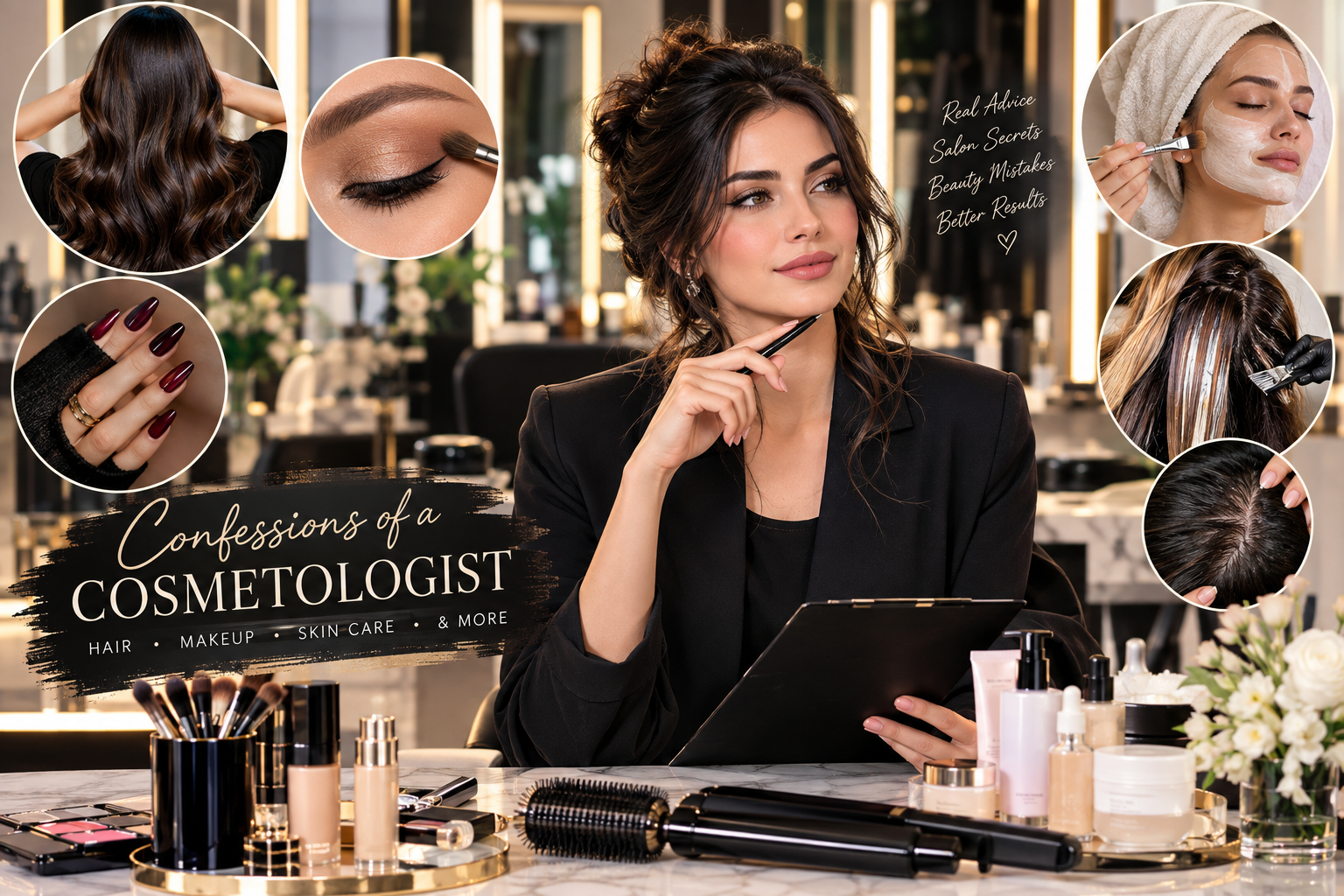
Confessions of a Cosmetologist: Hair, Makeup, Skin Care & More
There is something special about sitting in a salon chair and talking to someone who works with beauty every day. Confessions of a cosmetologist can reveal the hair, makeup, and skin care mistakes clients often make, along with simple professional tips that can make a beauty routine easier. From damaged ends and over-processed hair to foundation mistakes and complicated skincare routines, a cosmetologist sees many different beauty concerns.
Behind the polished salon mirrors and perfectly styled hair, there are plenty of beauty lessons that clients may not hear during a typical appointment. Some mistakes happen because people follow trends without understanding their hair or skin. Others happen because a product promises instant results when consistency would actually make a bigger difference. If you enjoy keeping up with beauty trends, you may also like exploring Forest Green Nails for elegant manicure inspiration, while Young King Hair Care offers another look at modern hair-care ideas.
The truth is that beauty does not have to be complicated. Healthy-looking hair, flattering makeup, and comfortable skin often start with understanding what works for your individual needs rather than copying every trend you see online.
The truth is that beauty does not have to be complicated. Healthy-looking hair, flattering makeup, and comfortable skin often start with understanding what works for your individual needs rather than copying every trend you see online.
So, what would a cosmetologist really tell you if there were no awkward questions and no judgment?
Let’s explore the honest beauty advice, salon lessons, and everyday truths that professionals see behind the scenes.
Confessions of a Cosmetologist: What Your Hair Reveals
A cosmetologist can often learn a surprising amount about your beauty routine simply by looking at your hair.
Dry ends may suggest excessive heat styling. Uneven texture can sometimes come from repeated chemical treatments. Excessive breakage may be connected to rough brushing, tight hairstyles, or frequent bleaching. Even the way your hair sits can reveal how you have been treating it.
That does not mean every hair problem has one obvious cause. Hair responds to genetics, environment, styling habits, chemical services, and overall care.
One of the biggest confessions of a cosmetologist is that expensive products do not automatically mean healthier hair.
A luxury shampoo cannot completely undo repeated damage from high heat or aggressive chemical processing. Products can support your routine, but daily habits matter too.

A Cosmetologist’s Advice About Heat Styling
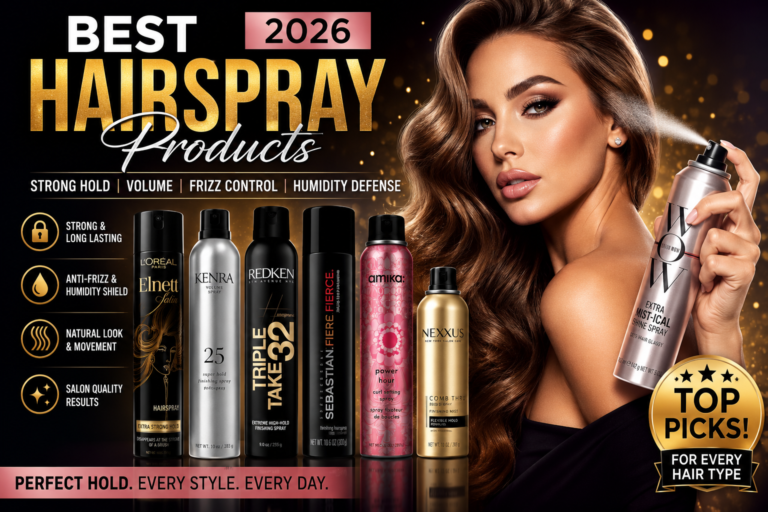
Flat irons, curling irons, and blow dryers can help create beautiful hairstyles. The problem usually comes from excessive heat, very high temperatures, or repeated styling without proper protection.
A cosmetologist may recommend reducing unnecessary heat rather than giving up your favorite hairstyle completely.
Try allowing your hair to partially air-dry before blow-drying. Use a heat protectant when appropriate, avoid repeatedly passing a hot tool over the same section, and choose a temperature that works without being unnecessarily high.
Small changes can make a noticeable difference over time.
The Haircut You Keep Avoiding
Many people become emotionally attached to their hair length.
They may notice split ends but refuse to trim because they are trying to grow their hair longer. However, keeping damaged ends does not necessarily help create the appearance of healthier, longer hair.
A thoughtful trim can make the ends look fuller and cleaner while helping a hairstyle maintain its shape.
The key is communication.
Instead of simply saying, “Take off as little as possible,” explain what you want to achieve. Show reference photos and discuss your current hair condition with your stylist.
A good consultation can prevent disappointment before the scissors even touch your hair.
Choosing the Right Shampoo
Another common beauty mistake is choosing shampoo based only on the label, scent, packaging, or popularity.
Your scalp and hair lengths do not necessarily have identical needs.
The scalp may need effective cleansing, while the lengths may need more conditioning and protection. If your hair feels dry after washing, your routine may need adjustment. If your scalp becomes oily quickly, using extremely heavy products near the roots may not be ideal.
Instead of copying someone else’s routine, pay attention to how your own hair responds.
That is one of the most useful lessons a beauty professional can offer: your hair can tell you a lot about whether your routine is working.
Confessions of a Cosmetologist: Don’t Forget Your Scalp
Beautiful-looking hair begins with taking care of the scalp as part of your overall routine.
That does not mean you need a complicated collection of scalp products. Regular cleansing, gentle handling, and avoiding unnecessary buildup can help keep your routine comfortable.
If you experience persistent itching, significant flaking, sores, sudden hair loss, or other concerning changes, consider speaking with a qualified medical professional rather than trying endless beauty products.
Beauty professionals can provide cosmetic guidance, but some scalp and hair concerns require medical evaluation.
Confessions of a Cosmetologist: Makeup Mistakes to Avoid

One of the biggest makeup misconceptions is that adding more products automatically creates a more polished appearance.
In reality, makeup often looks better when every product has a purpose.
A heavy foundation may provide more coverage, but too much product can emphasize texture. Too much powder can make the complexion appear dry. Several layers of incompatible formulas can also create separation or patchiness.
Professional makeup techniques often focus on preparation, placement, and blending rather than simply adding more products.
A lighter base with strategic concealer can sometimes create a fresher appearance than several thick layers of foundation.
This is another lesson from confessions of a cosmetologist: technique can matter just as much as the products you use.
Professional Beauty Advice for Better Skin Prep
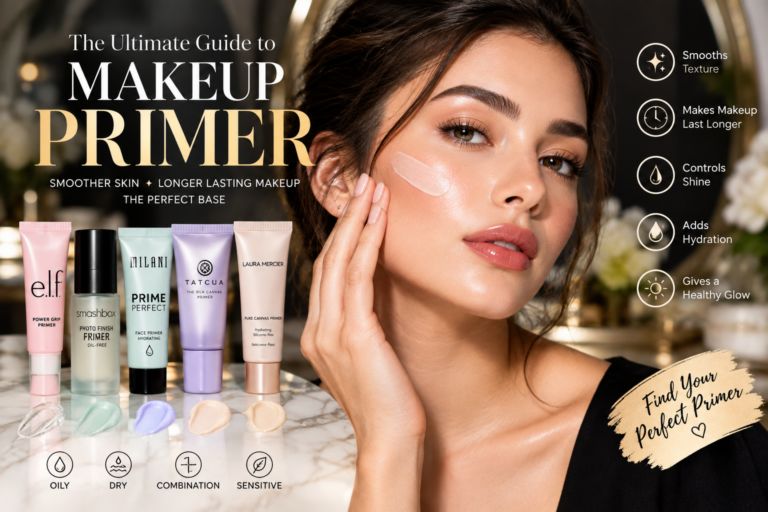
If your makeup constantly looks flaky, patchy, or uneven, the problem may begin before you even touch your foundation.
Skin preparation matters.
Start with clean skin and use skincare products that suit your skin. Give moisturizer enough time to settle before applying makeup. If you use sunscreen during the day, allow it to settle before layering makeup.
You do not necessarily need ten skincare products underneath your foundation.
A simple, compatible routine can be easier to maintain and may provide a smoother base for makeup.
Finding the Right Foundation Shade
Choosing foundation based only on how it looks inside the bottle is a classic mistake.
Lighting can dramatically change how a shade appears. Your face and neck may also differ slightly in tone.
Whenever possible, test foundation in suitable lighting and consider how the color looks beyond the immediate area where you applied it.
A professional makeup artist or beauty specialist can also help you understand undertones, including whether your complexion appears warmer, cooler, or more neutral.
The goal is not to find the most popular shade.
The goal is to find a shade that looks natural on you.
A Little Concealer Can Go a Long Way
The very-light-under-the-eyes look can be beautiful in editorial makeup, but it does not work for every face or every occasion.
Using a concealer that is dramatically lighter than your complexion can sometimes draw more attention to the area you are trying to soften.
For everyday makeup, a shade that blends naturally with your complexion may look more seamless.
If you want brightness, use placement and a slightly lighter product strategically rather than creating an obvious contrast.
Blending Makes a Difference
You can own premium makeup and still get an uneven result if the products are not blended properly.
Foundation, concealer, blush, bronzer, and eyeshadow all benefit from thoughtful application.
But blending does not mean endlessly rubbing product into your skin.
Use appropriate brushes or sponges, work in smaller amounts, and build coverage gradually.
The goal is to make the makeup appear connected to your skin rather than sitting separately on top of it.
Confessions of a Cosmetologist: Skin Care Advice
Skincare marketing can make it seem as if everyone needs a shelf full of serums, creams, masks, toners, oils, and treatments.
That is not necessarily true.
A consistent routine built around cleansing, moisturizing, and daytime sun protection can provide a useful foundation for many people. Additional products can be introduced based on specific needs.
The most important part is consistency.
Buying several new products every month is not automatically better than using a smaller routine consistently.
When introducing a new product, adding everything at once can also make it difficult to know what is helping or irritating your skin.
A simple routine can often be easier to understand and maintain.
 Expensive Skin Care Isn’t Always Better
A high price does not guarantee that a skincare product will work better for your individual skin.
Likewise, an affordable product is not automatically inferior.
Ingredients, formulation, compatibility, consistency, and your specific skin concerns all matter.
A cosmetologist may help you understand the cosmetic side of skincare, while a dermatologist can evaluate persistent or medical skin concerns.
Knowing when to seek professional medical advice is an important part of smart beauty care.
When Your Skin Says Stop
Burning, persistent redness, swelling, severe irritation, or worsening discomfort should not automatically be treated as proof that a product is working.
Sometimes people continue using an irritating product because they believe discomfort means the ingredients are doing something powerful.
That approach can make an already irritated situation worse.
If your skin reacts badly to a product, stop and reassess. For persistent or severe reactions, seek appropriate medical advice.
Beauty should never require you to ignore serious discomfort.
Confessions of a Cosmetologist: Hair Color Advice
Reference photos are incredibly useful during a salon consultation.
However, one photo does not guarantee that you will get exactly the same result.
Hair color depends on your starting shade, previous color treatments, hair condition, texture, and the technique being used.
For example, achieving a very light blonde from significantly darker, previously colored hair may require multiple sessions rather than one appointment.
A cosmetologist should be able to explain the process and help establish realistic expectations.
Beautiful color usually starts with an honest consultation.
Be Honest About Your Hair History
This may be one of the most important salon lessons.
Tell your stylist what has been done to your hair.
Previous bleaching, permanent color, chemical straightening, relaxing, keratin services, or other treatments can affect what may be appropriate for your hair next.
Even if the previous service happened months ago, the treated hair may still be present.
Being honest gives your stylist better information and can help reduce avoidable damage.
One of the most valuable confessions of a cosmetologist is simple: never leave important information out of your salon consultation.
Build a Beauty Routine You Can Actually Follow
A routine that takes two hours every morning may sound wonderful in theory, but if you only have 15 minutes before work, you probably will not maintain it.
The best beauty routine is one you can realistically repeat.
For hair, choose a haircut that works with your natural texture instead of requiring daily heat styling. Makeup can be much easier when you have a simple five-minute routine that fits into your morning. When it comes to skincare, using a smaller number of products consistently may be more practical than following a complicated routine.
Beauty becomes easier when it works with your lifestyle.
What Beauty Professionals Notice

Professionals work with many different clients, so they naturally begin noticing patterns.
Different hair textures can respond very differently to the same styling technique. A professional may also notice when someone is using too much product or applying it incorrectly. Even when two people follow the same beauty routine, their results can look completely different.
Most importantly, beauty professionals learn that beauty is highly individual.
The haircut that looks incredible on one person may not suit another person’s texture or lifestyle. The foundation that looks flawless on your favorite influencer may not be ideal for your complexion. The skincare routine that worked for someone else may not be right for you.
That is why copying beauty routines blindly can be frustrating.
Simple Beauty Advice That Actually Helps
Some of the most useful professional beauty advice is surprisingly simple.
Take care of your hair before it becomes severely damaged.
Remove makeup properly instead of sleeping in it.
Protect your skin from excessive sun exposure.
Clean your makeup tools regularly.
Do not repeatedly use extremely high heat on your hair.
Give new products time to show how your skin or hair responds.
And perhaps most importantly, stop comparing your everyday appearance with heavily edited or professionally produced images online.
Professional beauty photography involves lighting, styling, camera settings, makeup, hair preparation, and sometimes digital editing.
Real beauty does not need to look like a magazine cover every morning.
Beauty Trends Through a Cosmetologist’s Eyes
Beauty trends can be fun.
A new hair color, manicure, makeup technique, or skincare ingredient can inspire you to experiment. There is nothing wrong with enjoying trends.
The problem starts when a trend becomes more important than your individual needs.
Before trying a trend, ask a few simple questions:
- Does it work with my hair texture?
- Will it fit my lifestyle?
- Is it appropriate for my skin?
- Will I realistically maintain it?
- Could the technique cause unnecessary damage?
These questions can help you enjoy beauty trends without letting them control your entire routine.
The best confessions of a cosmetologist about trends often come down to one idea: a trend should complement you rather than completely change who you are.
Confessions of a Cosmetologist: Everyday Beauty Lessons
Some beauty lessons are not dramatic at all.
They are small habits repeated over time.
Washing your hair appropriately, handling it gently, removing makeup at night, keeping makeup tools clean, protecting your skin from excessive sun exposure, and avoiding unnecessary chemical treatments can all become useful parts of a beauty routine.
You do not need to completely transform your life overnight.
Start with one habit that fits naturally into your day. Once it becomes easy, build from there.
That is often more realistic than buying a large collection of products and trying to change everything at once.
Healthy Beauty Is Personal
Perhaps the biggest lesson from the world of cosmetology is that there is no universal definition of perfect beauty.
Healthy-looking hair does not have to be extremely long.
Great makeup does not have to be heavy.
Beautiful skin does not have to look poreless.
A professional hairstyle does not have to require hours of maintenance.
The best beauty choices are often the ones that help you feel comfortable, confident, and like yourself.
A cosmetologist can offer professional experience, technique, and practical advice, but the final routine should still fit the person sitting in the chair.
Confessions of a Cosmetologist: What Really Matters
The biggest lesson behind confessions of a cosmetologist is that great beauty results are rarely about having the most products.
They are about understanding your hair, respecting your skin, choosing makeup thoughtfully, communicating clearly with beauty professionals, and developing habits that you can actually maintain.
Whether you are trying to improve damaged-looking hair, create better makeup application, simplify your skincare routine, or prepare for your next salon appointment, start with the basics.
Listen to your hair and skin. Avoid unnecessary extremes. Ask questions. Be honest about previous treatments.
Most importantly, remember that professional beauty advice should support your individual features rather than force you into someone else’s routine.
Beauty does not have to be perfect to be beautiful. Sometimes the most impressive transformation comes from simply learning what works for you—and doing it consistently.
Final Thoughts

The right haircut, makeup technique, skincare routine, or salon service depends on your individual needs, preferences, lifestyle, and current condition.
Instead of chasing every new product or trend, focus on learning what makes your hair look and feel its best, what helps your makeup sit comfortably, and what keeps your routine realistic.
Small, consistent choices can make a bigger difference than constantly changing your entire beauty routine.
The next time you sit in a salon chair, ask questions, communicate your goals, and be honest about your beauty history. You may discover that the best beauty secret was never a secret at all—it was simply understanding what works for you.


One Comment